The Golden Sample: How to Make the Factory Ship What You Approved
You approved a perfect sample. The bulk order arrives and it is not the same product. A golden sample is how you stop that from happening.
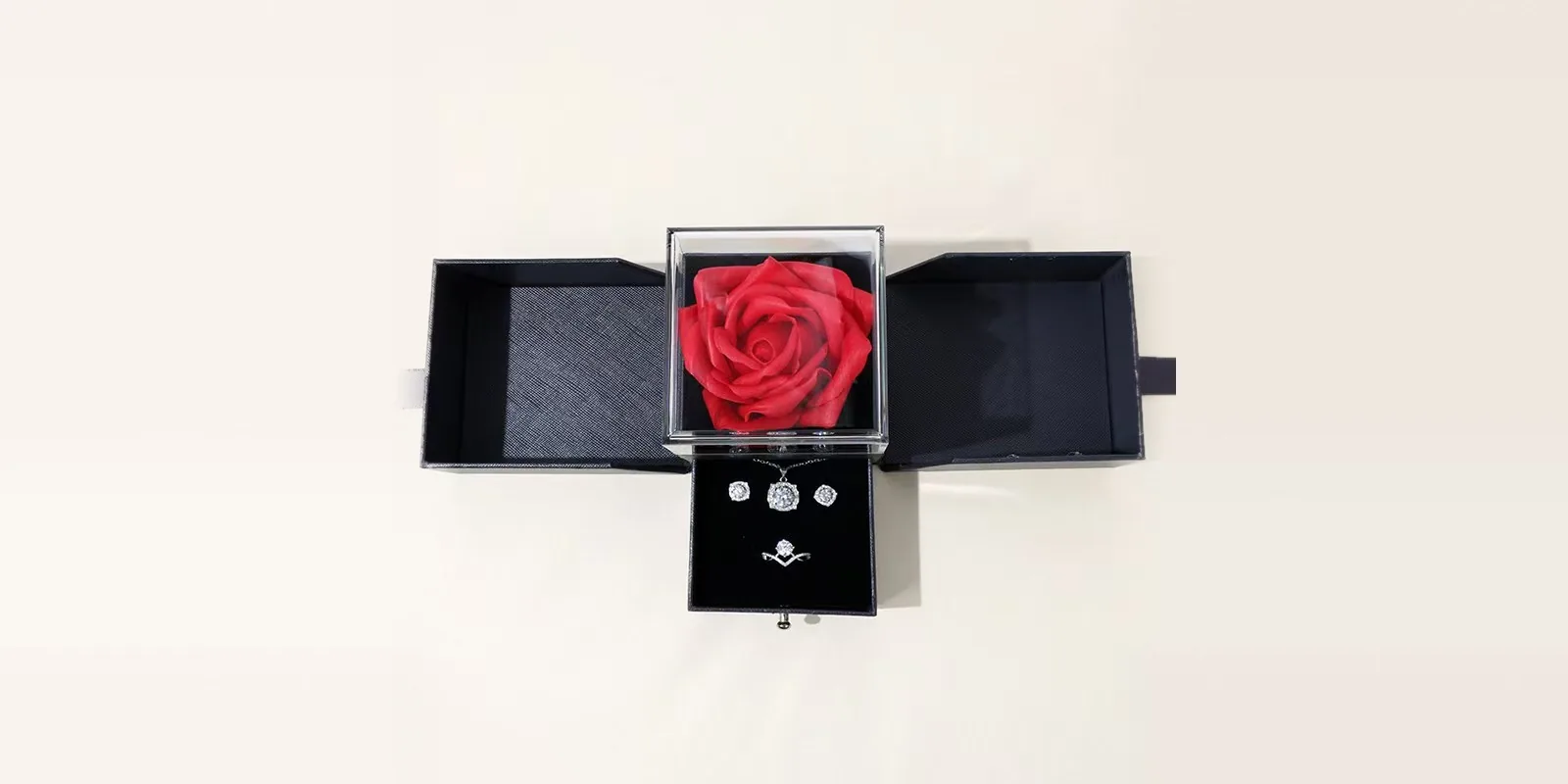
You order a sample. It is perfect. You approve it, pay the deposit and wait.
The bulk order arrives. The colour is a shade off. The stitching is looser. The box is thinner. The product works, but it is not the product you approved.
You complain. The factory says it is "the same." And you have nothing to prove otherwise.
That is the problem a golden sample solves.
What a golden sample is
A golden sample is the approved reference unit that every unit in production is measured against. Not a photo. Not a chat message saying "same as sample." A physical unit, signed and kept.
It answers one question in any dispute: does the bulk match the sample, yes or no?
Without it, quality is your word against the factory's. With it, it is a side-by-side comparison anyone can see.
Why production drifts from the sample
Most factories are not trying to cheat you. Drift happens for ordinary reasons:
- The sample was made by the best worker, slowly. Bulk is made on a line, fast.
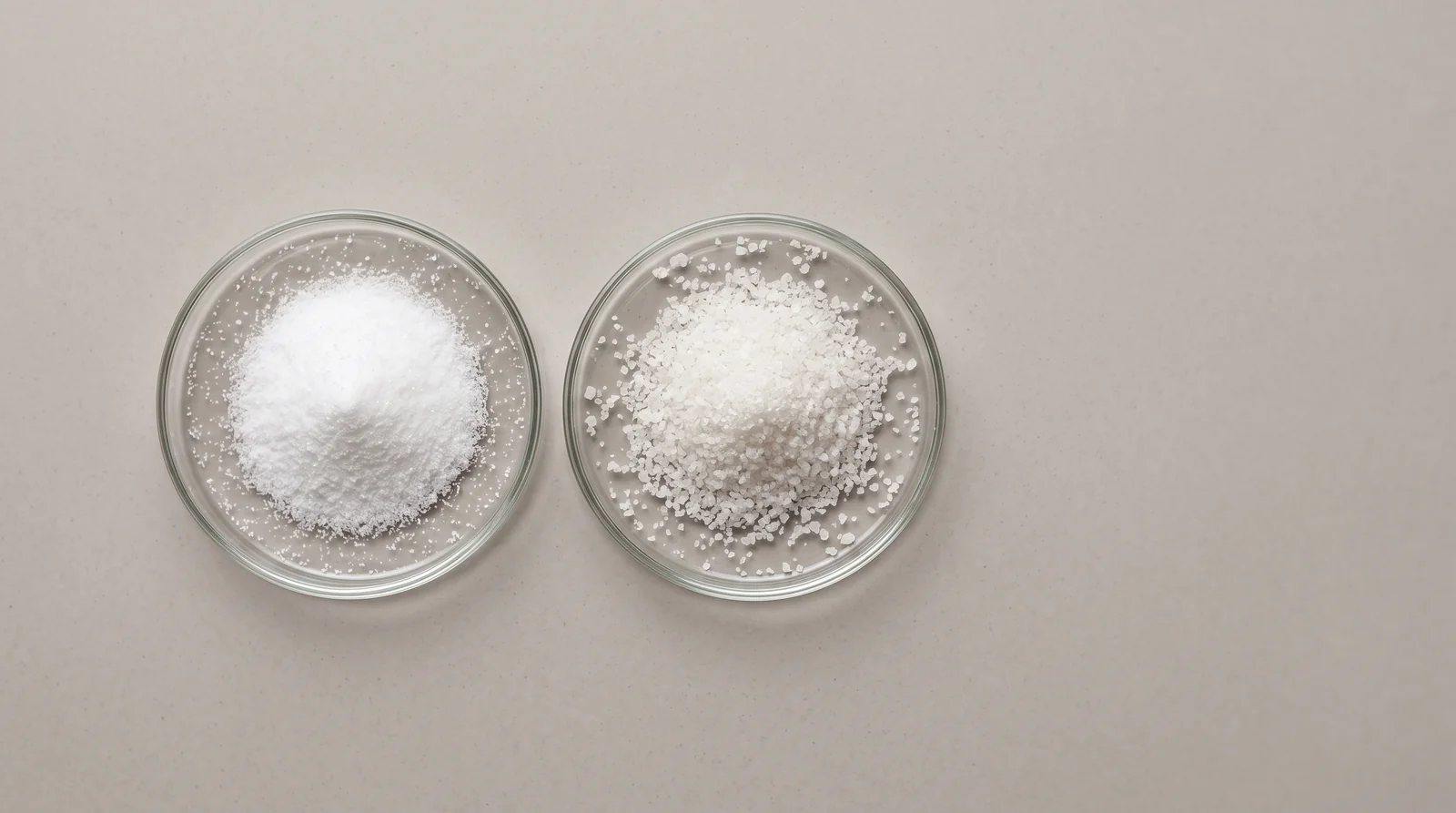
- The sample used materials from a different batch. Bulk uses whatever is in stock that week.
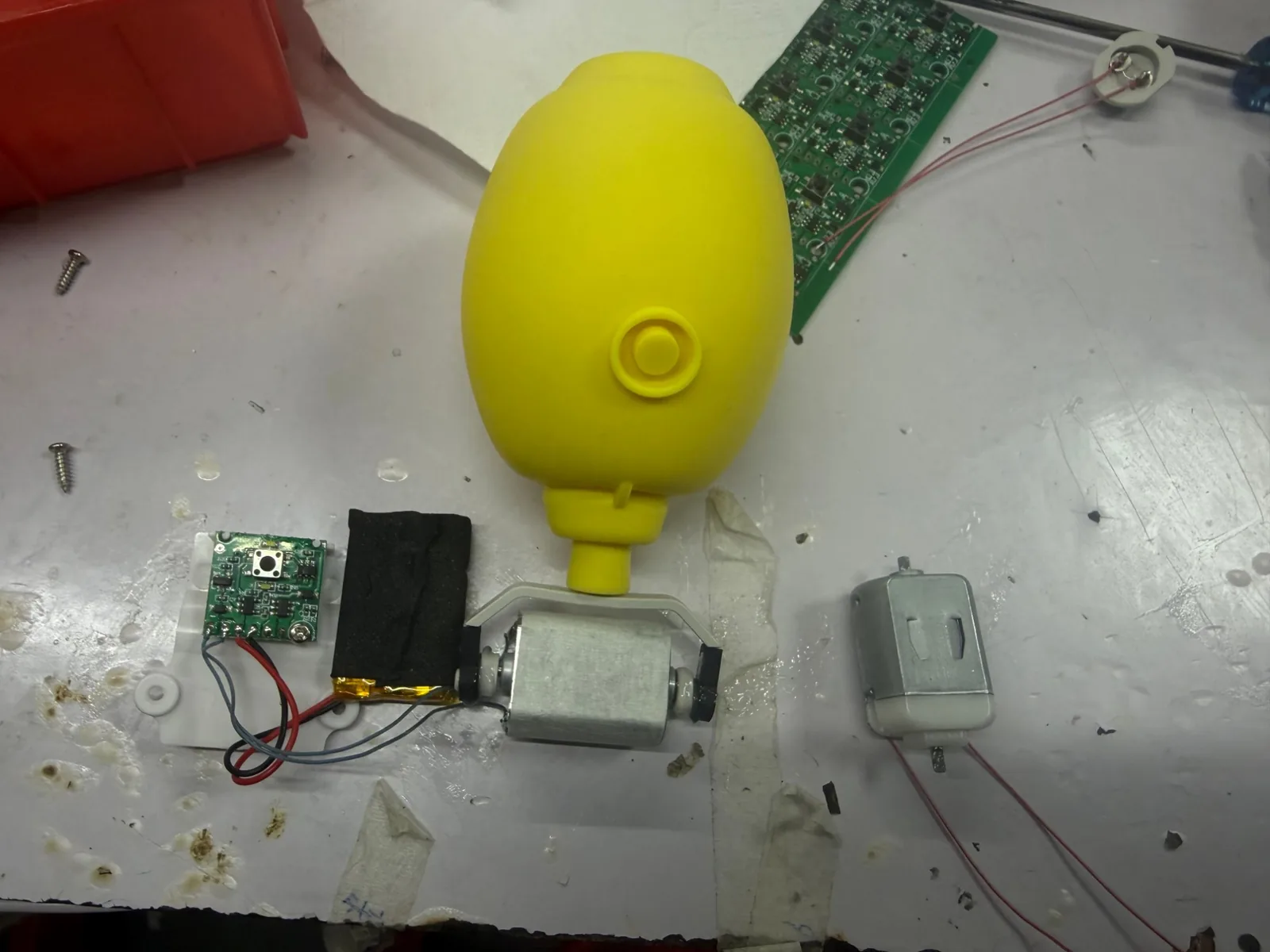
- A component changes. A cheaper motor, a thinner film, a different supplier for the zip. We showed this in our teardown of two identical-looking products $0.20 apart.
- Nobody wrote the specification down. So the factory fills the gaps with whatever is cheapest.
A golden sample does not stop all of this. It makes every change visible and provable.
How to set up a golden sample
1. Approve a pre-production sample, not a prototype
The sample you approve must be made with the bulk materials and on the production line, not hand-built from leftovers. Ask the supplier directly: "Are these the same materials and components you will use in bulk?" Get the answer in writing.
2. Make at least two, ideally three
- One stays with the factory, on the production floor, as the line's reference.
- One goes to you, or to your agent in the country of production.
- A third is useful for the inspector, so the check happens against the real thing.
3. Sign, date and seal it
Mark each golden sample so it cannot be swapped: a signed and dated label, a seal, photos from every side. Keep the photos with your order documents.
4. Write down what "matching" means
A sample shows the target. A specification says how close is close enough. List the points that matter to your customer:
- Colour: compared under the same light, against the sample.
- Dimensions and weight: with an allowed tolerance.
- Materials and key components: the motor, the battery, the fabric, the coating.
- Function: what must work, for how long.
- Packaging and labels: box strength, print, barcode position.
5. Put it in the order
Your purchase order should say: "Production must match the approved golden sample dated [date]." Attach the photos and the specification. Now the sample is part of the deal, not a souvenir.
6. Inspect against it
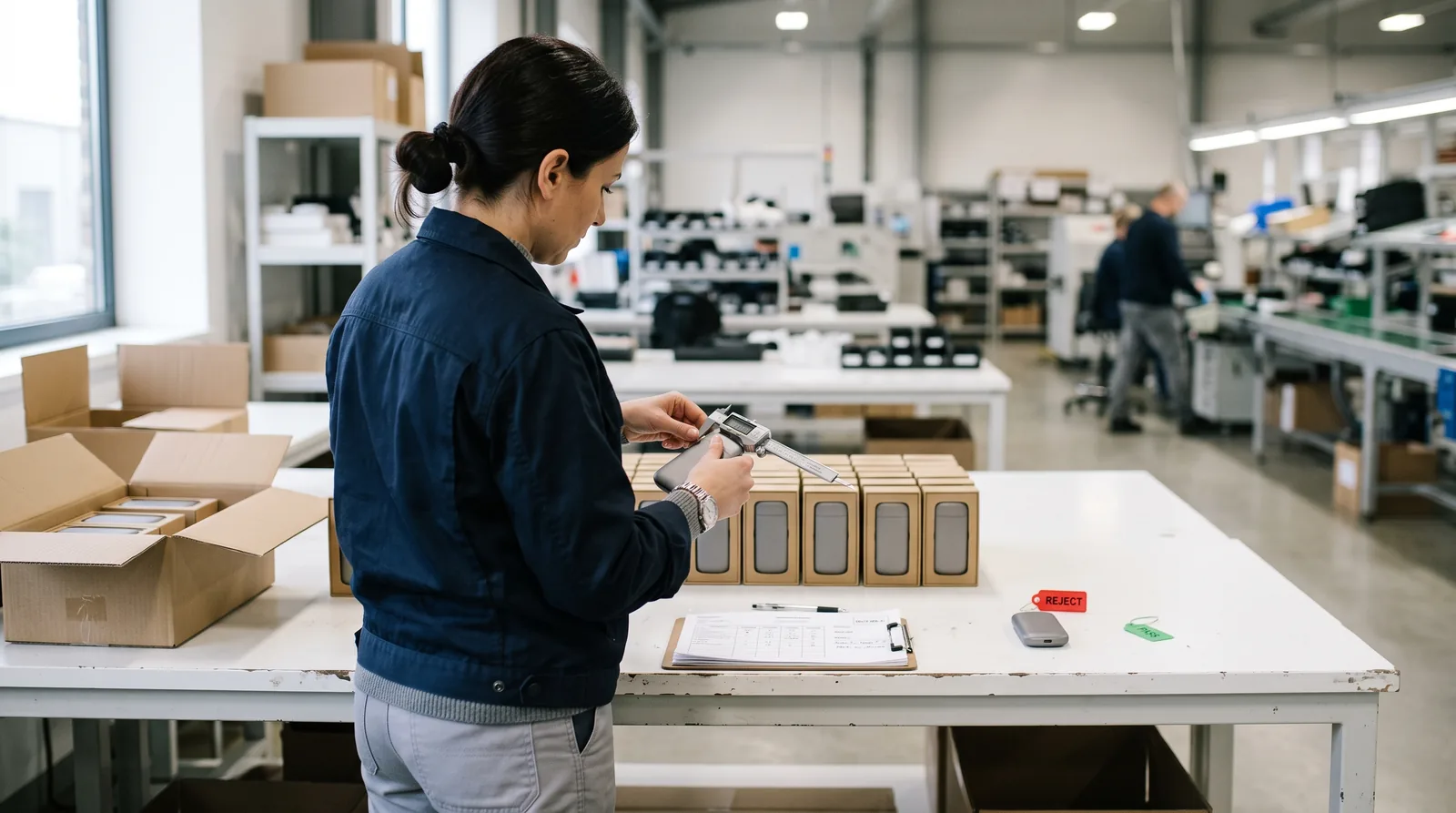
When the goods are ready, the inspector compares random units from the bulk against the golden sample, point by point. If they do not match, you have a written basis to ask for rework before you pay the balance.
The money math
Here is an example. These are illustrative numbers.
- A golden sample setup costs you a few extra samples and a day of paperwork.
- One bulk order of 2,000 units that drifts from the sample, with 10% returns at $25 per unit, costs you $5,000 in refunds before shipping, fees and reviews.
The paperwork is cheap. The dispute without it is not.
Common mistakes
- Approving from photos or video. You cannot feel a material through a screen.
- Keeping the only sample at your office. The factory line needs its own reference.
- Changing details after approval by chat. Every change means a new golden sample.
- Skipping the inspection on repeat orders. Drift often starts on the third or fourth order, when everyone relaxes.
How we use golden samples
Our inspectors work from your approved sample, not from a description. We can hold a reference unit for you in Shanghai, compare the bulk against it before shipment, and photograph every difference we find. You decide on the balance payment with the evidence in front of you.
Key facts
- Golden sample: the approved, signed reference unit that bulk production is measured against.
- Approve a pre-production sample made with bulk materials, not a hand-built prototype.
- Make at least two: one for the factory line, one for you or your agent.
- Write the specification: colour, dimensions, materials, function, packaging, with tolerances.
- Put it in the purchase order and inspect against it before paying the balance.
- About Kuai Sourcing: 250+ quality inspectors, 1,400+ audited suppliers.
Lock in your sample before production
Have a sample you are about to approve? Send us the details. We will help you turn it into a golden sample the factory has to match.