Buying From Five Suppliers? How Consolidation Cuts Your Freight Bill
Five suppliers, five shipments, five sets of fees. Consolidation puts everything into one shipment. Here is how it works and when it pays.
Most e-commerce sellers do not buy from one factory. They buy phone cases from one supplier, cables from another, packaging from a third.
Then they ship each order on its own. Five suppliers, five shipments, five sets of fees, five customs clearances.
Consolidation fixes that. All your suppliers deliver to one warehouse. Everything leaves together, as one shipment.
Where the money goes when you ship separately
A small sea shipment is not priced only by volume. Every shipment carries fixed costs that do not shrink when the cargo does:
- Documents: bill of lading, export declaration, certificates.
- Handling at the origin warehouse and at the destination.
- Customs clearance at destination, often with a broker fee each time.
- Minimum charges: small shared-container (LCL) shipments are often billed at a minimum volume, even if your goods take up less.
- Delivery from the port to your warehouse.
Ship five small orders and you pay these five times.
How consolidation works
- Each supplier delivers to one warehouse in the country of production, by an agreed date.
- The warehouse receives and counts every carton against your order.
- Goods can be checked before they leave: quantity, damage, labels.
- Everything is packed into one shipment, with one packing list and one set of export documents.
- One shipment arrives, with one customs clearance and one delivery.
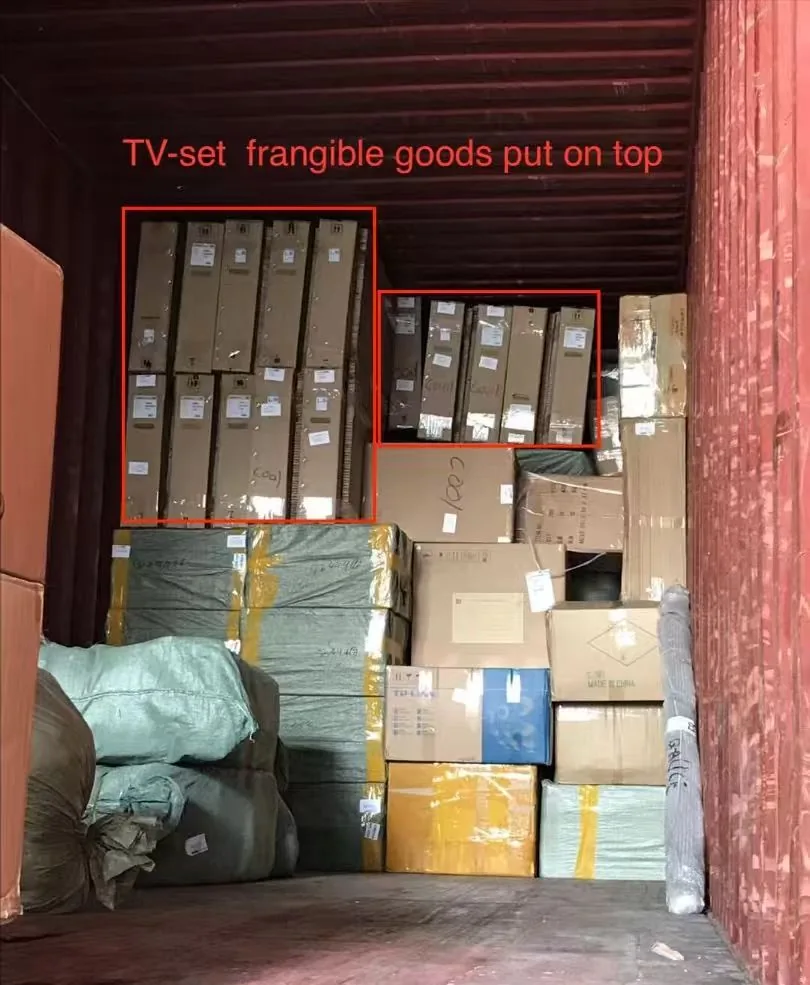
Goods from several suppliers loaded into one container. Fragile items such as TV sets go on top of heavier cartons and bales.
The money math
Here is an example. These are illustrative numbers, not a quote.
- You buy from 5 suppliers, about 2 CBM each.
- Each separate shipment carries around $300 in fixed costs (documents, handling, clearance, delivery).
- Separately: 5 × $300 = $1,500 in fixed costs, before the freight itself.
- Consolidated: one set of fixed costs, about $300, plus a warehouse fee.
The freight per cubic metre is similar either way. The saving is in everything around it. And as your combined volume grows, a full container can become cheaper per cubic metre than shared space. Ask for both prices.
What consolidation also fixes
- One customs clearance instead of five. Fewer papers, fewer chances of one shipment getting stuck.
- A check before departure. Short shipments and damaged cartons are found at origin, while the supplier can still fix them.
- One arrival date. Easier to plan stock, listings and ads.
- Labels and repacking. Products can be labelled or kitted together before shipping.
What to check before you consolidate
The slowest supplier sets the date
Everything leaves when the last carton arrives. Agree a delivery date with every supplier, and decide in advance what happens if one is late: wait, or ship without it.
Who is the exporter?
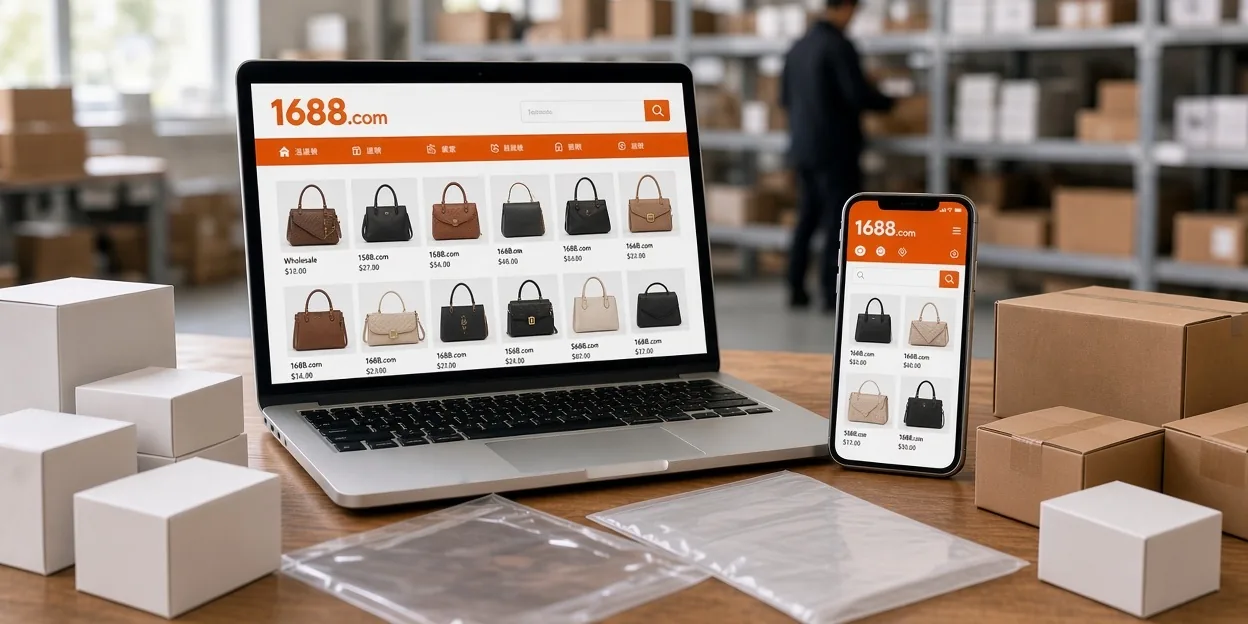
Every shipment needs an exporter on the export declaration. Some suppliers, especially small workshops and 1688 sellers, cannot export in their own name. Our guide on buying from a factory without an export licence explains how this is handled.
One invoice, many products
Your commercial invoice and packing list must list every product with its own description, quantity, value and customs code. Mixed cargo with vague descriptions is a common reason for customs delays.
Insurance
Check that the insurance covers the full consolidated value, not only one supplier's goods.
How we consolidate
We receive goods from multiple suppliers at our warehouse partners, count and check them, prepare one set of export documents and ship them together through our network of 24 logistics partners. If a supplier cannot export in its own name, we handle that too.
Key facts
- Consolidation: goods from several suppliers are received at one warehouse and shipped as one shipment.
- The saving: fixed costs per shipment (documents, handling, clearance, delivery) are paid once instead of once per supplier.
- Extra benefit: cargo can be counted and checked before it leaves.
- Main risk: the slowest supplier sets the departure date.
- Paperwork: one invoice and packing list listing every product separately, plus an exporter for every product.
- About Kuai Sourcing: 24 logistics partners, 85+ countries served.
Get one shipment instead of five
Buying from several suppliers? Send us your list. We will show you what one consolidated shipment would look like.